Key Takeaways
- Construction site theft costs $1B annually and causes delays, losses, and higher insurance premiums
- The most targeted items are equipment, tools, vehicles, and copper materials
- A layered security approach is the most effective way to prevent theft
- Combine perimeter security, access control, cameras, and deterrents for full protection
- AI-powered cameras and live monitoring help stop theft before it happens
Criminals actively target construction sites because they appear to be easy prey — vacant after hours, stocked with high-value goods, and often lightly secured. If you want to prevent construction site theft, understanding the scope of the problem is the first step.
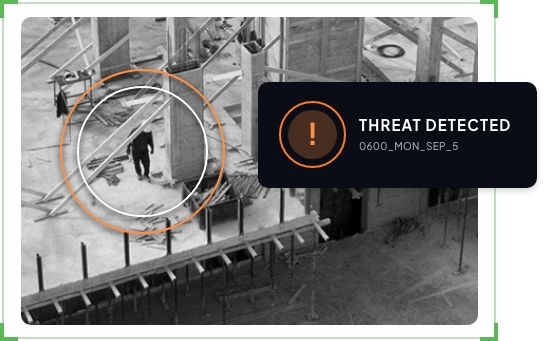
Theft is a significant problem for the construction industry, amounting to nearly $1 billion in lost assets annually. There are over 11,000 theft incidents reported at construction sites annually, compounding the issue for managers, investors, and insurance companies, just to add insult to injury.
Old-school tools like lighting, physical barriers, and signage, combined with high-tech solutions like construction cameras and live monitoring services, give contractors more power than ever to protect their sites.
The Rising Cost of Construction Site Theft
The average theft incident costs companies, contractors, and subcontractors around $6,000. Worse, stolen construction equipment is rarely recovered. When materials and valuable equipment go missing, the result is project delays, cost overruns, and demoralized crews.
Thieves tend to target the same high-value items repeatedly. Knowing what’s at risk is essential for any construction site theft prevention plan:
- Heavy equipment: Excavators, backhoes, pavers, and scrapers should be secured with chains, locked cabs, immobilization devices, and GPS trackers.
- Tools: Hand tools, power tools, and toolboxes are easy to walk off with and difficult to trace. Store them in locked sheds or buildings at the end of every shift.
- Vehicles: Work trucks are common targets. Ensure crews lock doors, park in well-lit areas, and use GPS tracking.
- Copper and building materials: Copper is a top target. Secure all building materials and clear loose materials from the site daily, especially before nightfall.
Beyond direct loss, theft drives up insurance premiums, creates safety hazards, and signals to opportunists that your site is vulnerable.
Key Strategies to Prevent Construction Site Theft
The most effective way to prevent construction site theft is to build a layered, comprehensive security plan. Here are the core strategies:
1. Establish Perimeter Security
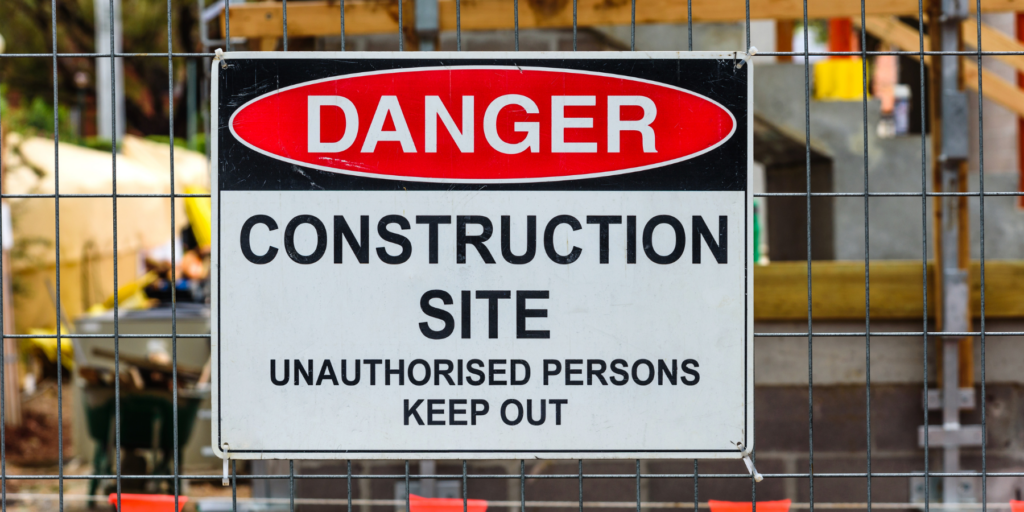
Your perimeter is your first line of defense. Start with an industry-standard six-foot-tall fence around the entire jobsite. Post clear signage at least every 50 feet to signal that the site is restricted. Install lighting at 100-foot intervals to eliminate dark hiding spots after hours.
For enhanced night coverage, construction cameras with built-in infrared or thermal technology provide reliable around-the-clock visibility, even in complete darkness.
2. Control and Limit Site Access
Padlocks and chains are a starting point, but many contractors are upgrading to electronic badge entry systems for tighter access control. Combine these with delivery tracking systems and time-tagged inventory scanning to prevent unauthorized individuals from accessing materials or equipment.
3. Deploy Surveillance Cameras
Cameras are one of the most powerful tools in construction site theft prevention. Two primary types work well together:
- Fixed security cameras: These provide a wide, continuous field of view ideal for monitoring high-risk zones like entry/exit points and equipment storage areas 24/7.
- PTZ (pan-tilt-zoom) security cameras: These offer 360-degree coverage and can be redirected to specific areas as needed, making them flexible for lower-risk zones or responding to motion alerts.


Many contractors integrate both. Advanced features like AI-driven motion detection, time-lapse recording, and live remote monitoring further strengthen site security. Some providers also offer dedicated monitoring teams that watch sites after hours and alert authorities when threats are detected.
4. Use Lighting and Alarm Systems
Audiovisual deterrents like motion-activated lights, sirens, and talk-down speakers are highly effective during non-working hours when criminal activity peaks. Blaring alarms and flashing lights disrupt would-be thieves before they can act.
5. Implement Inventory Management and Tracking
An up-to-date inventory system lets you track materials and tools in real time, helping you quickly identify when something goes missing, including internal theft. A detailed asset log is also invaluable when filing insurance claims.
How Technology Is Transforming Construction Site Theft Prevention
Low-tech measures like fencing and motion lights are still useful, but advanced technology has raised the bar for what’s possible.
Modern AI-powered cameras don’t just record. They analyze movement, trigger real-time alerts, and help security teams respond before a theft is completed. That’s exactly what the team at TNT Tuckpointing experienced after installing PTZ cameras with AI-driven motion detection.
Read the full case study to see how TrueLook’s jobsite monitoring caught criminals in the act and saved their tools and materials.
Protect Your Jobsite with TrueLook
Construction site theft prevention is no longer just about padlocks and perimeter fencing. Today, a combination of smart security practices, advanced camera technology, and professional monitoring gives contractors the tools to stop theft before it happens.
The financial and operational stakes are too high to leave security as an afterthought. Whether it’s material theft, vehicle theft, or internal shrinkage, the right layered strategy helps you prevent construction site theft and protect your bottom line.
TrueLook provides construction cameras and monitoring solutions purpose-built for the jobsite. Get in touch to learn how we can help secure your site.
Ready to start protecting your site?
Advance your site protection with technology.