Overt surveillance refers to security monitoring systems that are clearly visible and openly communicated. Cameras, monitoring devices, and signage are intentionally placed where individuals on the property can easily see them.
The primary objective of overt surveillance is deterrence. When people know that activity is being monitored, the likelihood of theft, vandalism, or unsafe behavior decreases significantly.
Overt surveillance is commonly used in environments such as:
- Construction sites
- Industrial facilities
- Warehouses
- Parking areas
- Commercial properties
In construction environments, visible monitoring systems also help project managers and stakeholders maintain oversight of jobsite activity. High-resolution construction cameras allow teams to monitor work progress, verify safety compliance, and document project milestones.
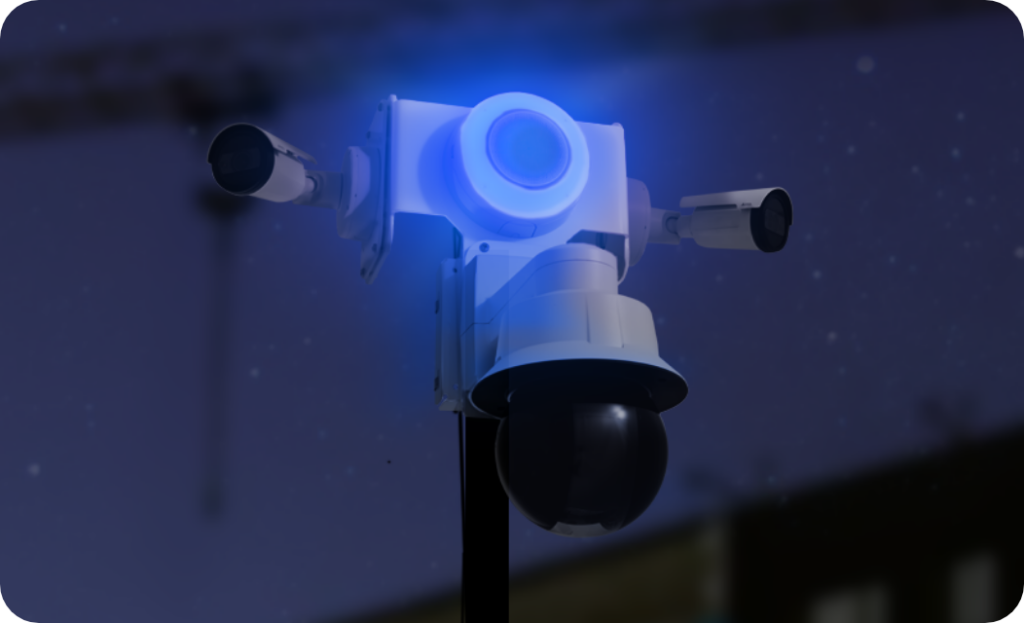
Solutions such as TrueLook construction cameras provide a visible monitoring presence while also delivering remote access and documentation tools that support project management.
What Is Covert Surveillance?
Covert surveillance involves monitoring that is intentionally hidden or discreet. Cameras or recording devices are concealed so that individuals being monitored are unaware of the surveillance.
Unlike overt surveillance, which focuses on prevention, covert monitoring is typically used to observe behavior without influencing it.
Common use cases for covert surveillance include:
- Internal investigations
- Fraud detection
- Loss prevention
- Evidence collection
- Law enforcement operations
Because covert surveillance involves hidden monitoring, it often carries stricter legal and privacy considerations. Organizations must ensure that surveillance practices comply with applicable regulations and workplace policies.
For most construction environments, covert surveillance is not the primary security strategy. Instead, visible monitoring systems are used to deter incidents before they occur.
Key Differences of Covert and Overt Surveillance
Understanding the differences between covert and overt surveillance helps organizations determine the most appropriate approach for their security needs.
| Feature | Overt Surveillance | Covert Surveillance |
| Visibility | Cameras are visible | Cameras are concealed |
| Purpose | Deterrence and transparency | Observation and investigation |
| Awareness | Individuals know monitoring is occurring | Individuals are unaware |
| Legal considerations | Generally straightforward | Often more complex |
| Typical environments | Construction sites, public spaces | Investigations, fraud detection |
In industries such as construction, overt surveillance typically provides the most practical and effective solution.
Why Overt Surveillance Works Well for Construction Sites
Construction projects present several security and operational challenges. Jobsites often contain valuable equipment and materials, operate in remote locations, and experience frequent changes in workforce and layout.
These factors make construction sites vulnerable to theft, vandalism, and safety incidents.
Overt surveillance systems address these risks in several ways.
Theft Deterrence
Construction equipment theft costs the industry hundreds of millions of dollars each year. Visible cameras signal that the site is monitored, discouraging criminals from targeting equipment, tools, or materials.
Improved Safety Compliance
Workers are more likely to follow safety procedures when monitoring systems are clearly present. This visibility encourages accountability and helps reinforce jobsite safety culture.
Incident Documentation
Video footage can serve as valuable documentation if disputes, accidents, or insurance claims arise. Recorded footage provides objective evidence of events that occur on site.
Remote Project Visibility
Construction cameras allow project managers, owners, and stakeholders to monitor activity without being physically present on site. Remote access supports more efficient project oversight and decision making.
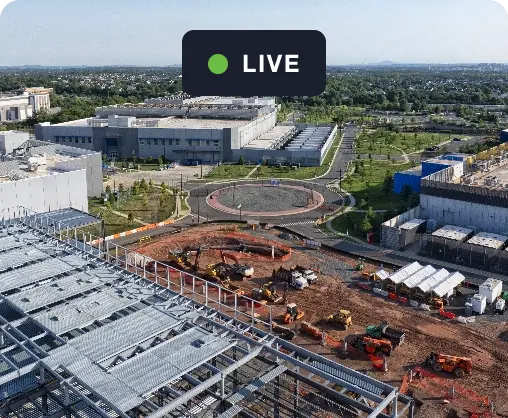
Platforms such as TrueLook’s jobsite camera systems combine visible monitoring with remote access, enabling teams to maintain awareness of site activity at any time.
Operational Advantages of Visible Monitoring
Overt surveillance systems deliver benefits that extend beyond security.
Project Transparency
Visible monitoring improves transparency for owners, contractors, and investors. Authorized stakeholders can observe jobsite activity and verify project progress remotely.
Reduced Liability Risk
Video documentation provides evidence that can help resolve disputes related to incidents, property damage, or construction delays.
Progress Tracking
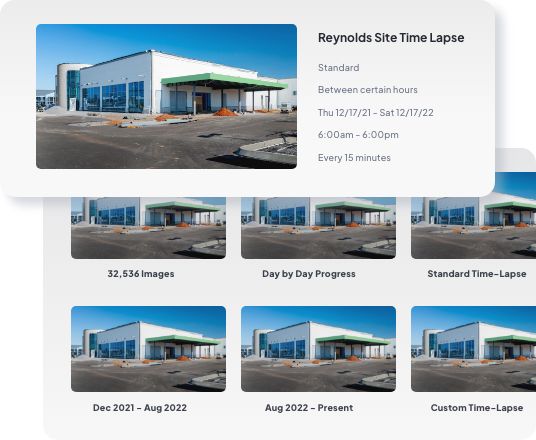
Construction cameras capture continuous visual records of the project. Many systems also generate time-lapse videos that document key milestones from start to completion.
TrueLook cameras allow teams to maintain a visual archive of construction progress while supporting collaboration among project stakeholders.
Situations Where Covert Surveillance May Be Used
Although overt surveillance is the preferred strategy for most construction environments, there are circumstances where covert monitoring may be appropriate.
These situations may include:
- Investigating suspected internal theft
- Identifying repeated safety violations
- Monitoring unusual activity during an investigation
Any use of covert surveillance should comply with local regulations and organizational policies regarding privacy and monitoring.
For routine construction security and project oversight, overt surveillance remains the most effective approach.
The Role of Remote Monitoring in Modern Construction Surveillance
Modern surveillance systems combine visible cameras with advanced remote access technology.
These systems allow authorized users to:
- View live video from the jobsite
- Access recorded footage
- Monitor progress remotely
- Share project updates with stakeholders
TrueLook construction cameras integrate these capabilities into a single platform designed specifically for construction environments. The system provides both security visibility and visual project documentation.
Strengthen Jobsite Security with TrueLook
Construction projects require reliable oversight and protection. Visible monitoring systems provide a practical way to deter theft, improve safety compliance, and maintain clear documentation of project activity.
TrueLook construction camera solutions help construction teams maintain visibility across their jobsites through:
- Live remote video access
- High-resolution jobsite cameras
- Secure cloud video storage
- Automated time-lapse project documentation
By combining surveillance and project monitoring tools, TrueLook helps contractors, owners, and stakeholders stay connected to their projects from anywhere.
Learn how TrueLook can improve jobsite visibility, security, and project communication. Get a custom quote for your security monitoring needs today!