


Case Study: Substation Security: How LG&E and KU Protected Their Construction Sites
Remote monitoring and solar power made overseeing critical infrastructure easier than ever.

Key Takeaways
- Built-in security recording helped recover stolen equipment on an active substation site
- Greenfield substation construction often means remote sites, no AC power, and multiple simultaneous builds to oversee
- Solar-powered cameras solve the power problem that remote substation sites create
- Remote monitoring and time-lapse documentation cut down on travel time while improving training and reporting
The Challenge: Monitoring Remote, Greenfield Substation Construction
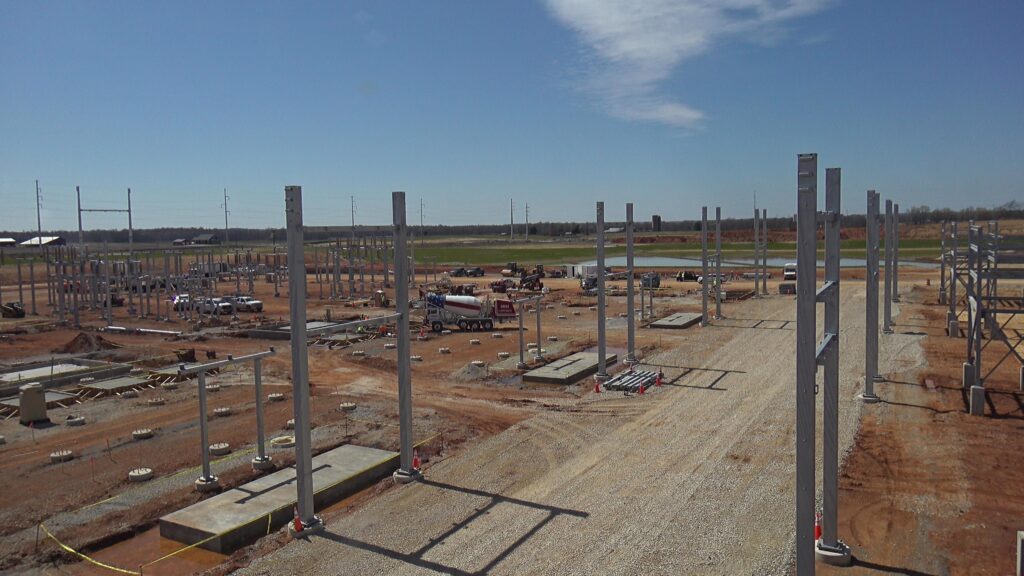
Building substations is a long and complex process that requires constant oversight. For LG&E and KU, managing these projects meant dealing with remote locations, greenfield developments, and the challenge of monitoring multiple sites simultaneously. Traditional site visits were time-consuming and required lengthy drives, making it difficult to stay updated on progress. Securing these sites against theft and unauthorized access was a growing concern, too, especially in locations with limited infrastructure and no easy access to AC power.
The Solution: Substation Security with Solar-Powered Remote Cameras
To address these challenges, LG&E and KU deployed TrueLook Construction Cameras across their substation projects. The ability to monitor progress remotely through live viewing eliminated the need for frequent site visits, allowing teams to check in on multiple projects from anywhere. TrueLook’s time-lapse feature provided valuable documentation of project milestones, serving as both an educational tool for newer engineers and a resource for management presentations.
Additionally, TrueLook’s solar-powered installation was a game-changer for LG&E and KU, making it easy to set up cameras in remote areas without access to AC power, which is a common constraint on greenfield substation sites. The built-in security recording feature proved its value when tools were stolen during the night, providing critical footage for review.
"Long duration and complex construction associated with building a substation requires significant oversight, and these cameras allow for constant progress status and check-ins remotely without having to make long, time-consuming drives."
Brandon Thompson
Sr. Manager,
LG&E and KU
The Results: Better Oversight and Security on Substation Construction Projects
By integrating TrueLook Cameras into their workflow, LG&E and KU significantly improved oversight and security on substation construction projects. Remote monitoring reduced the need for time-consuming travel, freeing up resources for other priorities. The combination of live viewing, time-lapse documentation, and security recordings enhanced project management, training, and site security all at once.
Ultimately, LG&E and KU chose TrueLook for camera quality, security features, and overall value at a reasonable price. The result: streamlined substation construction monitoring, with jobsites that stayed secure and well-documented from groundbreaking to energization. For utilities managing similar builds, TrueLook’s Infrastructure & Civil solutions extend this same approach across substations, transmission projects, and other critical infrastructure sites.
FAQs About Substation Security
Substation construction sites are secured with remote cameras that combine continuous security recording, live viewing, and motion-triggered alerts. Because many substation builds are in remote or greenfield locations, solar-powered cameras let teams add security coverage even before permanent power is installed. Recorded footage also gives utilities a way to review incidents after the fact, like the overnight equipment theft LG&E and KU experienced.
Remote substation construction monitoring uses jobsite cameras with live viewing and time-lapse capture, so teams can check progress from anywhere without driving to the site. This is especially useful for greenfield or multi-site substation projects where daily visits aren’t practical.
Yes. Solar-powered cameras are built specifically for sites without AC power, which is common on remote, greenfield substation builds. They run independently of jobsite electrical infrastructure, so they can be installed before permanent power is even available.
Time-lapse footage gives utilities a visual record of project milestones for training, reporting, and management presentations. It’s also useful for newer engineers learning how substation construction phases unfold over time.
Yes. Continuous security recording can capture theft or unauthorized access on substation construction sites, providing footage that’s been used to support recovery and investigation after incidents.
Conclusion
Substations are high-value, often unattended targets during construction, and LG&E and KU felt that risk firsthand when tools were stolen overnight on one of their sites. With solar-powered cameras and built-in security recording, they secured multiple greenfield substation projects without waiting on permanent power or adding site visits, while still gaining the remote oversight that kept construction on track. See how TrueLook’s Infrastructure & Civil solutions can help secure your next substation build.
Protect Your Next Substation Build Like LG&E and KU
Solar-powered cameras, built-in security recording, and remote live viewing — deployable on remote, greenfield sites even before permanent power is installed. Get a custom quote for your substation or infrastructure project.
Get a Quote