Key Takeaways
- Traditional PPE walkthroughs are inconsistent, time-bound, and easy to prepare for.
- Continuous monitoring provides continuous, unbiased oversight across your entire site.
- AI-powered construction cameras detect PPE violations automatically, all day long.
- Remote safety management allows oversight of multiple sites without constant physical presence.
Still walking your jobsite just to check for hard hats and vests? It’s time to update your process.
Traditional PPE walkthrough audits are labor-intensive, happen infrequently, and can’t catch everything happening between visits.
Plus, workers tend to be on their best behavior when they know someone’s coming around with a clipboard. Continuous PPE monitoring through AI-powered construction cameras gives you eyes on the jobsite at all times, without being there.
Let’s explore how continuous monitoring stacks up against traditional walkthroughs and why it’s changing how construction teams approach safety compliance.
The Traditional Walkthrough: Inconsistent and Incomplete
Manual PPE audits occur at most once a day or a week. They depend on who’s available to walk the site, which can easily lead to missed violations between visits.
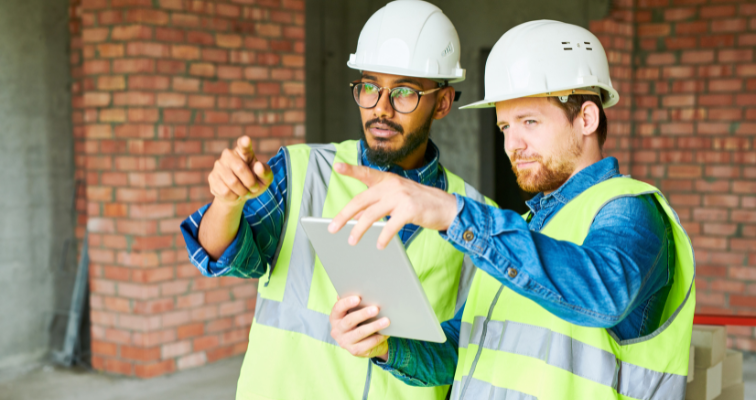
These walkthroughs contribute to a safety-first culture. But they’re limited in scope, time-bound, and often reactive rather than preventive.
If you’ve been in the industry long enough, you’ll notice that these common problems are typically what goes wrong with traditional PPE inspections:
- Scheduled predictability: Workers receive advance notice of safety walks, giving them time to grab missing gear.
- Limited time windows: A 30-minute walkthrough can’t capture what happens during the other 7.5 hours (or, you know, 11.5 hours) of a shift.
- Geographic blind spots: One person can’t be everywhere at once, leaving entire work zones unchecked. Likewise, employing an entire team dedicated to monitoring is wasteful.
- Limitations of manual oversight: Even the most diligent safety officers can’t be everywhere at once. PPE violations can occur between walkthroughs or in blind spots, making it difficult to catch issues before they escalate.
- Documentation gaps: Handwritten notes get lost, forgotten, or filed away without follow-up action. Even digital tools fall short if they don’t integrate with broader project workflows. Information silos plague construction companies, too.
- Delayed insights: When incident reports take hours or days to reach decision-makers, it becomes harder to spot patterns or stop unsafe habits before they escalate.
- Weather interference: Rain, extreme heat, or poor lighting conditions can cut inspections short. Weather-abridged inspections are where injuries multiply.
- Interruption of workflow: Workers stop what they’re doing to interact with inspectors, reducing productivity. Inspectors with good relationships with crews may also overlook infractions.
Workers know when inspections are coming. They tidy up, put on their gear, and go back to old habits once the safety officer moves on.
@rough_iron I’ve learned to stay far away from those walk throughs #learnontiktok #fyp #bluecollar #construction #safety #work #roughiron ♬ original sound – Shay G
@johnny_tsunami_88 #fypシ #fyp #foryou #constructionhumor #bluecollarboys #union ♬ original sound – AKŞİN44
And what happens? Workers gain a false sense of security based on snapshot compliance rather than consistent safety practices. Then, when least expected, disaster strikes.
What Is Continuous PPE Monitoring?
Modern construction cameras can capture images as frequently as every minute. AI analyzes each frame to detect whether workers are wearing required PPE like hard hats and safety vests.
The system automatically flags violations for further review. It’s like having a safety officer on site all day, every day.
Unlike traditional walkthroughs, continuous monitoring never takes a break, never gets distracted, and never looks the other way.
Want to see how construction cameras can transform your safety program?
Check out TrueLook’s PPE observation capabilities.
Why Continuous Monitoring Outperforms Walkthroughs
Traditional walkthroughs have their place, but they can’t compete with the comprehensive coverage of continuous monitoring. Here’s how AI-powered construction cameras address every limitation of manual inspections.
- Real-Time Oversight: Construction cameras detect PPE usage the moment they capture an image. Violations get flagged immediately, not hours later after a walkthrough. This real-time feedback loop means you can address issues as they happen, not after they become patterns.
- Unbiased, Consistent Monitoring: AI doesn’t overlook violations or forget to check corners of the site. Every image gets reviewed with the same criteria, removing human inconsistency. There’s no favoritism, no blind spots, and no “I’ll let it slide this time” moments. The same standards apply to everyone, everywhere, all the time.
- Comprehensive Coverage: Strategically positioned cameras can monitor high-traffic areas, entrances, and high-risk zones with consistent oversight. While a manual walkthrough offers only a moment-in-time snapshot, well-placed cameras provide ongoing visibility across the most critical parts of your site. The key is coverage where it matters most, and continuous footage helps fill in the gaps between physical audits.
- Remote Safety Management: Project managers and safety leads don’t need to be on-site to check compliance. This remote viewing is especially valuable for overseeing multiple sites, off-hour shifts, or high-risk locations. You can monitor three jobsites from your office while your teams focus on building instead of walking around with clipboards.
- Improved Reliability: While 360-degree cameras and drones provide helpful insights, they only capture brief moments in time. A drone flyover might record part of the morning shift but miss violations that happen later in the day. Similarly, 360 cameras often lack real-time detection and only offer passive footage for later review.

The difference is clear: walkthroughs give you snapshots while continuous monitoring provides the whole picture. This shift from reactive to proactive safety management transforms how construction teams approach compliance.
How It Works in the Field
Construction teams using continuous PPE monitoring report significant improvements in both compliance and efficiency. Safety managers reduce site visits by focusing their time on trend analysis and training rather than routine inspections.
Here’s how the process unfolds on active jobsites:
- Camera Installation and Setup: Teams deploy construction cameras at key entry points, high-risk work zones, and areas with heavy foot traffic. Once deployed, the AI system begins reviewing captured images for safety compliance, scanning for required PPE like hard hats and high-visibility vests. No calibration or training period is needed; the system is ready to start monitoring immediately.
- Automated Detection Throughout the Day: Every few minutes, cameras capture new images and run them through PPE detection algorithms. The system identifies workers and checks for required safety gear like hard hats, upper body high-visibility, and safety vests.
- Pattern Recognition and Trend Analysis: Over time, the system builds a database of compliance data, which identifies recurring issues and problem areas. Maybe your morning crew consistently forgets vests in the first hour, or your electrical team needs reminders about hard hats in specific work areas.
- Targeted Intervention and Training: Armed with specific data about when and where violations occur, safety managers can address issues with precision. Instead of blanket reminders, they can have focused conversations with specific crews about particular safety gear.
- Continuous Improvement Loop: As teams respond to feedback and improve their habits, the system tracks compliance improvements over time, creating a clear record of safety culture progress.
These insights help target training efforts where they’ll have the most significant impact. The result is a data-driven approach to safety that replaces guesswork with actionable intelligence.
A Smarter Future for Jobsite Safety
PPE detection is part of a growing trend toward AI-assisted safety management. Construction cameras support safety managers by making PPE enforcement scalable, consistent, and proactive. As the technology improves, expect to see even more sophisticated analysis. Pattern recognition, predictive insights, and integrated safety workflows are already on the horizon.
More Eyes, Fewer Walkthroughs
Walkthroughs are helpful, but they’re no match for the consistency and visibility of continuous PPE monitoring. Continuous monitoring reduces site visits, improves compliance, and supports better project outcomes.
By combining the personal touch of traditional safety management with the reliability of automated monitoring, construction teams can achieve the best of both worlds.