Critical infrastructure security covers the physical, cyber, and operational measures that protect the systems a region depends on, such as energy, water, and communications, from exactly that kind of disruption. Most of that protection is built for the finished asset, though.
A substation, water treatment plant, or data center campus can run six, twelve, or eighteen months as an active job site before any of that permanent security exists, and that stretch is where the real exposure sits.
Key Takeaways
Most critical infrastructure security content is written for the finished, operating asset. The months a substation, treatment plant, or energy site spends as an active construction project carry a different risk profile that standard security plans usually don’t cover — no fencing, no cameras, no power yet.
Physical attacks on U.S. substations nearly tripled between 2018 and 2022, and copper theft alone costs U.S. businesses billions.
“Critical infrastructure monitoring” and “monitoring critical infrastructure” mean something different on an active build than they do on an operating asset. It’s about documentation, access accountability, and after-hours coverage, not SCADA or grid telemetry.
Mission-critical infrastructure or the substations, treatment plants, and energy assets a region can’t function without carries construction-phase risk that standard site security plans usually don’t account for.
A layered approach (access control, live monitoring, redundancy, and a documented plan) closes more risk than any single tool, and it has to be built into the schedule from day one, not bolted on after an incident.
What Counts as Critical Infrastructure and Why the Construction Phase Is the Blind Spot
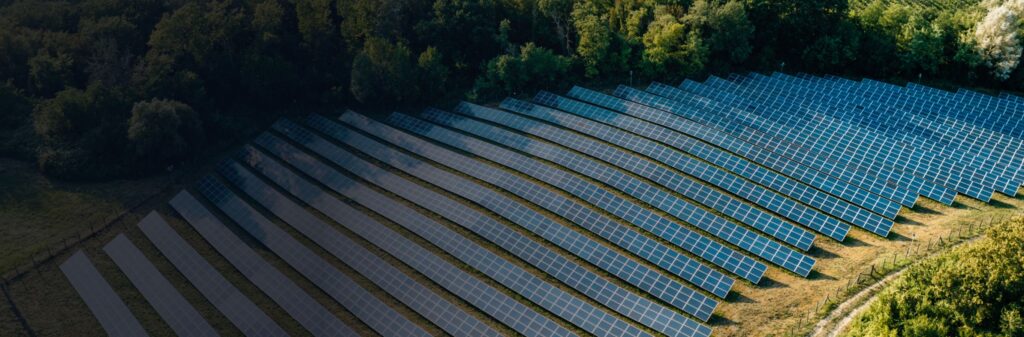
The Cybersecurity and Infrastructure Security Agency designates 16 critical infrastructure sectors that keep the country running. Construction and engineering teams are often building a handful of project types: energy (substations, solar farms, transmission and distribution), water and wastewater treatment, and data centers and communications infrastructure.
Most critical infrastructure security guidance such as grid hardening, perimeter fencing standards, and SCADA security is written for the site once it’s operational: permanent power, permanent fencing, a security team on payroll.
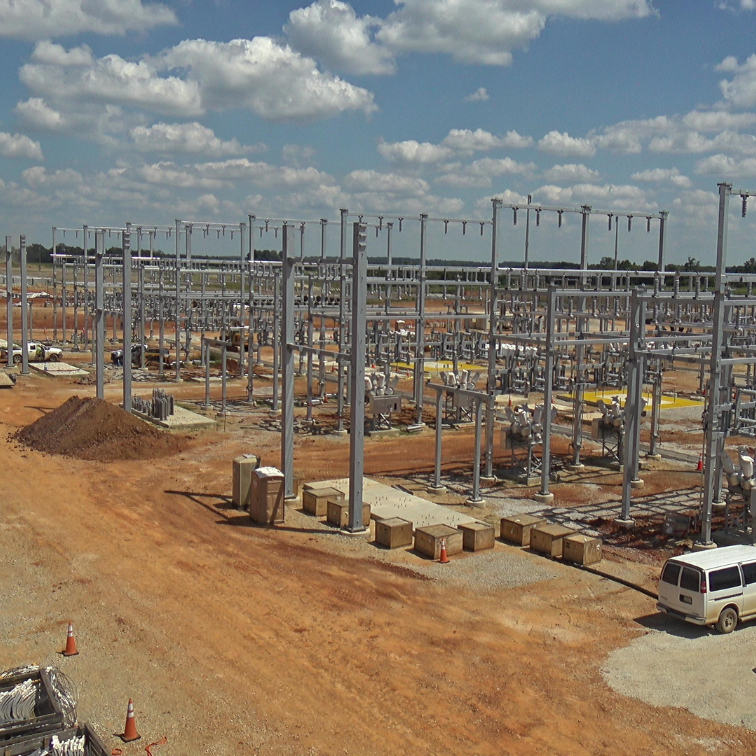
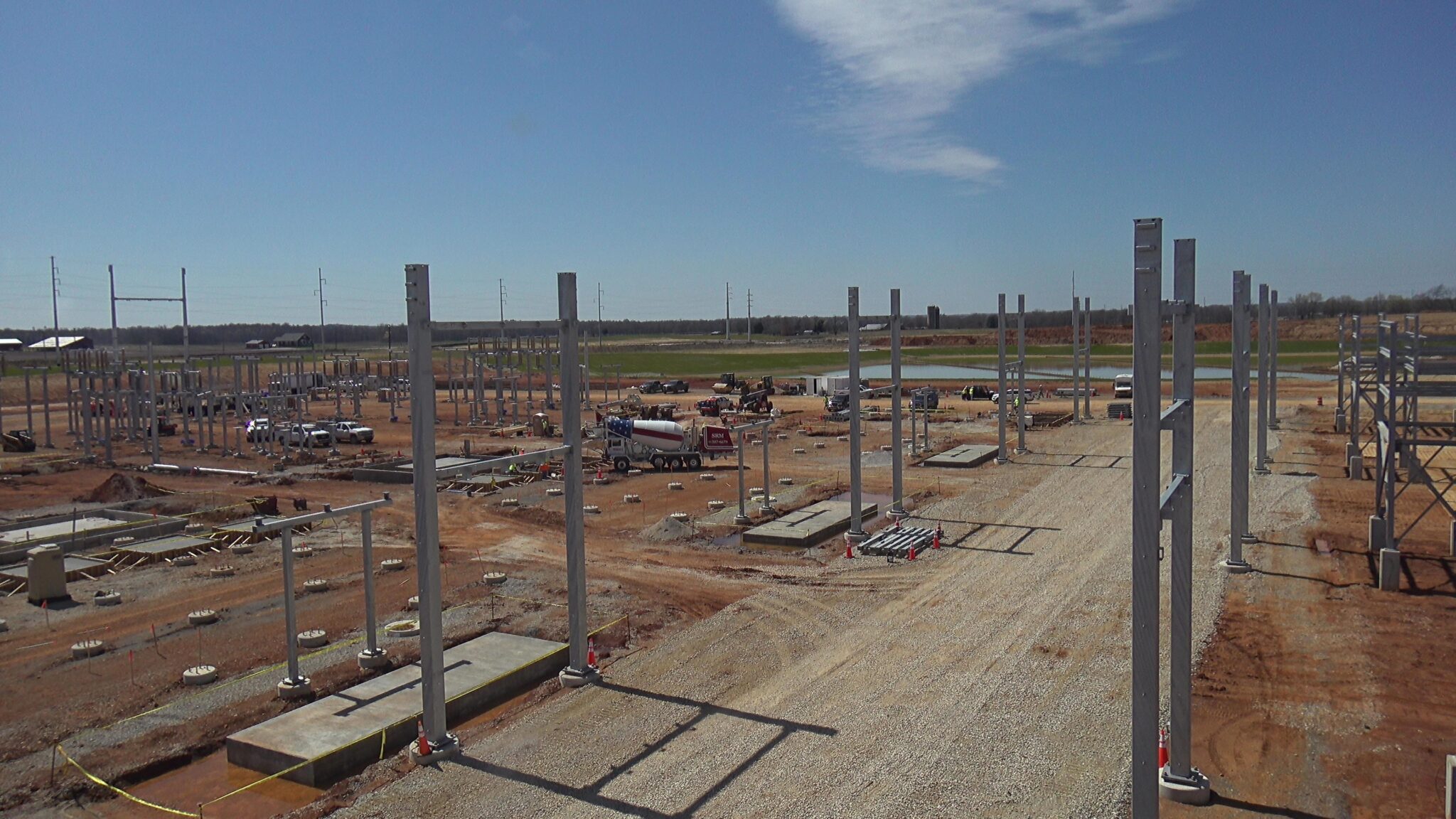
None of that exists yet during construction. A substation under construction is, for 12 to 24 months or more, a fenced-off dirt lot with no permanent power, a rotating crew, and hundreds of thousands of dollars in copper, transformers, and switchgear sitting exposed. A water treatment plant expansion runs for years alongside a live, operating facility the public depends on. That gap between “this will be critical infrastructure” and “this is currently protected like critical infrastructure” is where most of the actual loss happens.
The Real Threats: Physical, Cyber, and Operational
Threats to critical infrastructure sites break into three categories, and construction projects deal with all three at once:
Physical threats – Copper theft, equipment vandalism, and unauthorized access are the most common and most expensive. According to a 2008 survey of 618 U.S. electric utilities, copper theft cost the industry $22 million in repair costs that year alone, and that’s just the direct repair expense, before counting replacement equipment and lost productivity. Remote, unfinished sites with no fencing or lighting are the easiest targets.
Recent substation attacks in North Carolina, Washington, and Oregon showed that even armed attacks on operational grid infrastructure are no longer theoretical. That’s part of why FERC directed NERC to re-evaluate its physical security reliability standard (CIP-014) for transmission substations. The existing rule was written before that wave of attacks, and regulators are still deciding whether it goes far enough. None of that scrutiny extends to a site while it’s still under construction, which means a half-built substation has none of the hardened protections, or the regulatory attention, a finished one does.
Cyber and operational technology risk – As IT and OT systems converge on modern builds, more construction and commissioning activity touches networked control systems earlier in the project. That’s a real risk category, but it’s largely outside what a general contractor or site security plan controls directly, and it belongs with the utility’s or owner’s cybersecurity team.
Operational disruption – Workforce shortages, aging equipment, and supply chain fragility all extend how long a critical infrastructure site sits in its most vulnerable state — under construction, without permanent protection. The longer that window stays open, the more exposure a project carries.
These aren’t hypothetical. They’re the conversations site teams on data center, substation, and treatment plant projects are having right now.
See how full-site visibility works on a critical infrastructure build.
Critical Infrastructure Monitoring: What It Actually Means On an Active Build
Monitoring critical infrastructure gets used two different ways, and it’s worth being precise about which one applies here.
On an operating utility asset, monitoring usually means SCADA, telemetry, and grid-condition sensors or the systems that watch the asset’s performance. On a construction site, critical infrastructure monitoring means something more immediate: knowing who’s on site, when, and what happened while nobody was watching.
That’s a documentation and accountability problem, not a control-systems problem, and it’s solved with a different toolset:
Remote live viewing — real-time visual access to the site from anywhere, so a PM, security manager, or utility rep doesn’t have to drive out to check on a remote substation or treatment plant expansion.
24/7 security recordings — continuous footage with motion detection and night vision, so incidents get documented even when no one’s physically present.
Professional jobsite monitoring services — a live monitoring center that actively watches camera feeds and intervenes in real time, which matters most on remote or high-value sites where after-hours activity is the biggest exposure.
If job site security is non negotiable, TrueLook’s cameras and alerts are built for peace of mind. At TrueLook, every camera records twenty four seven, so nothing gets missed. Smart motion detection flags activity after hours and sends real time alerts, so you know what’s happening the moment it happens. If you want an extra layer of protection, you can add professional monitoring. This will assign a trained team to watch your job site, verify alerts, and dispatch authorities when needed. Our hardware is purpose built for job sites with IR cameras for clear day and night visibility. We also offer deterrence options like TrueDeter, which pairs strobes and sirens with a fixed PTZ camera. And our most advanced solution, TrueShield, featuring up to three cameras, strobes, sirens, and talk down for active deterrence. From simple recording to total threat defense, TrueLook has you covered. Get started by visiting truelook dot com.
TrueLook’s own Jobsite Monitoring service is a good example of the distinction: it’s professionally staffed, active monitoring layered on top of the camera system, not a passive recording archive. On a critical infrastructure build, that active layer is often the difference between catching a copper theft in progress and finding out about it the next morning.
Mission-Critical Infrastructure Needs a Different Security Posture During Construction
Mission-critical infrastructure, such as substations, treatment plants, and energy assets a region genuinely can’t operate without, carries a security burden construction teams don’t always plan for at the same scale as the engineering.
When people search for mission-critical infrastructure protection, they’re usually asking about exactly this: how to secure an asset that everything downstream depends on, before it’s finished enough to defend itself.
Louisville Gas & Electric and Kentucky Utilities were running multiple greenfield substation builds at once: remote sites, long drives between them, no permanent power, and rising theft concerns. They deployed solar-powered cameras across projects, which cut down on routine site visits and, when tools were stolen overnight, provided the footage that helped recover the equipment.
“Long duration and complex construction associated with building a substation requires significant oversight, and these cameras allow for constant progress status and check-ins remotely without having to make long, time-consuming drives,” said Brandon Thompson, Senior Manager at LG&E and KU.
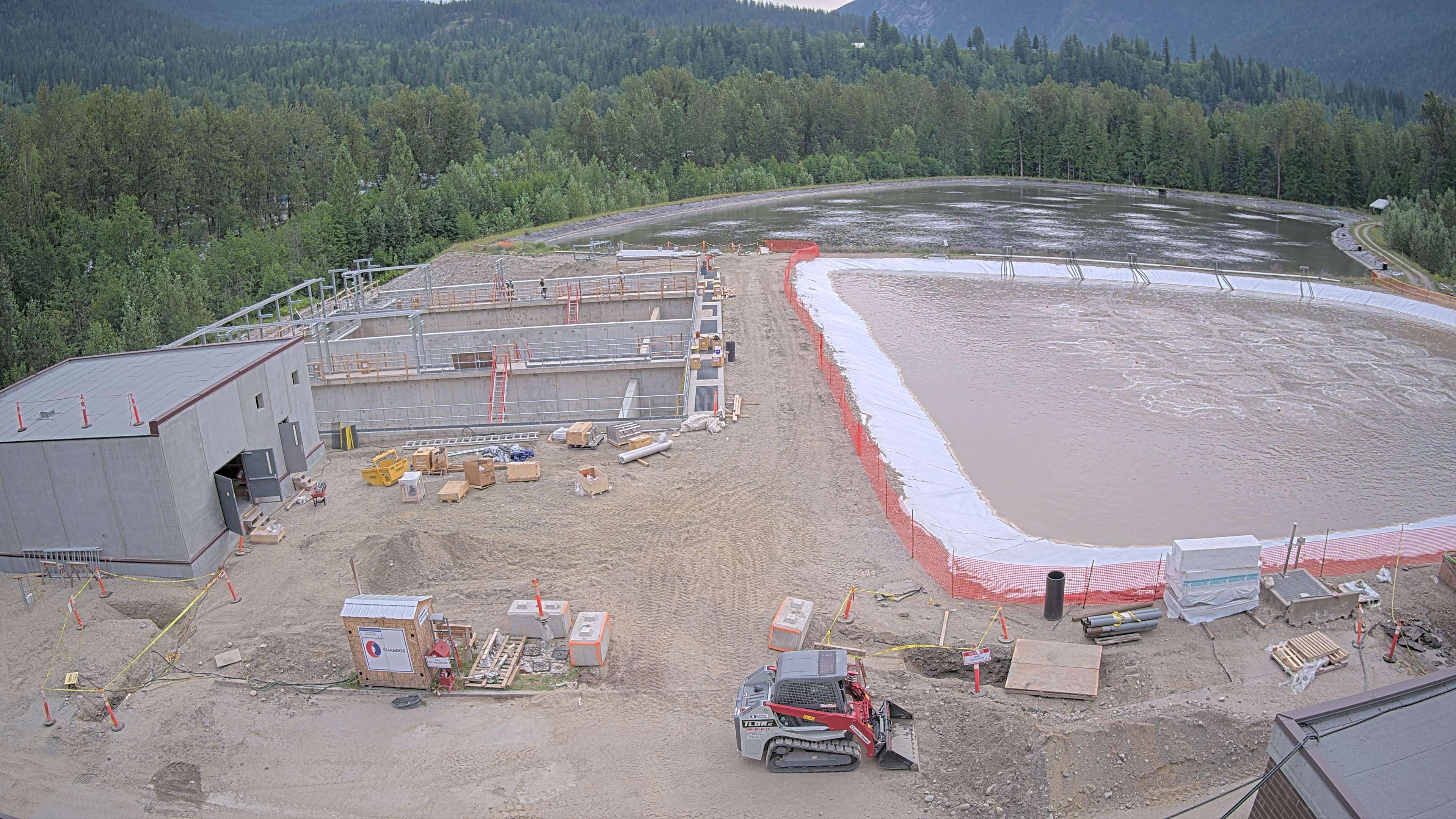
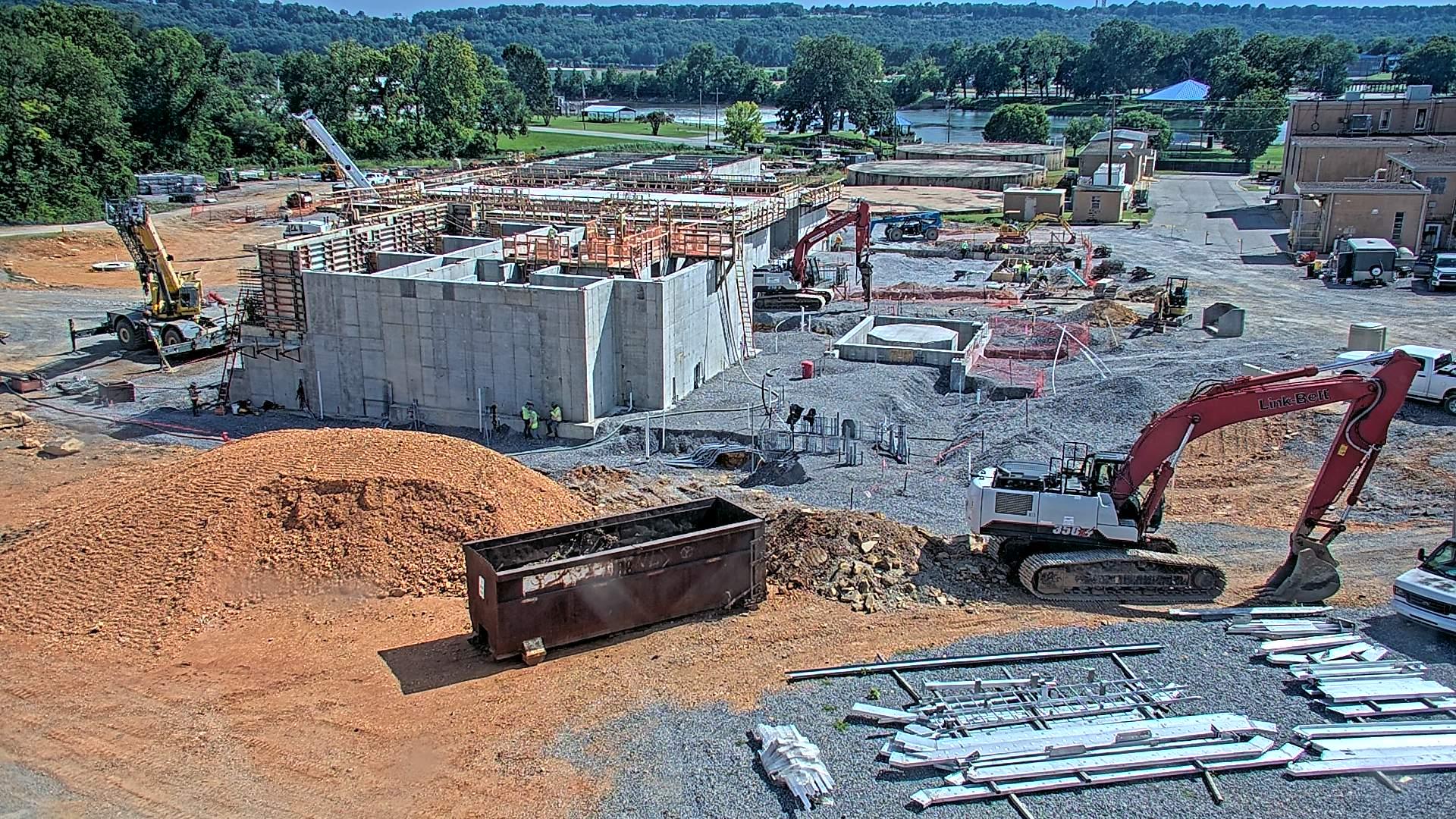
Water and wastewater is the other sector where mission-critical construction risk is easy to underestimate. Nearly 17,500 publicly owned wastewater treatment plants currently operate in the U.S., and roughly 200 more are expected to come online by 2042 as aging infrastructure gets replaced and PFAS regulations tighten requirements. Every one of those expansion and replacement projects runs for years next to a live, operating facility, which means construction-phase security has to account for both the job site and the plant it sits beside.
That’s the part that doesn’t show up in the funding headlines, and it’s the part worth planning for before you break ground.
Building Critical Infrastructure Security Into the Project, Phase by Phase
A security plan bolted on after an incident is always more expensive than one built into the schedule. Here’s a phase structure that actually holds up on critical infrastructure builds:
1. Risk Assessment
Identify the highest-value, highest-exposure areas before mobilization: laydown yards with copper and switchgear, unfenced perimeter edges, and any point where the active build sits next to a live operating facility.
2. Access Control and Perimeter
Fencing, gates, and secured entry points are the baseline. On remote sites, this is also where solar-powered or off-grid camera systems matter most, since permanent power usually doesn’t arrive until late in the schedule.
3. Live Monitoring and Documentation
Layer in remote live viewing, 24/7 recorded coverage, and, for the highest-risk sites, professional monitoring that includes a team who actively watches feeds in real time and filters through false alarms and real threats rather than just archiving footage.
4. Redundancy and Backup
Power redundancy (generators, solar-plus-battery, or dual connectivity) keeps monitoring running through outages, which is exactly when a site is most exposed.
5. A Documented, Owned Security Plan
Someone has to own incident response, not just equipment. Regular drills and a clear escalation path turn a security plan into something the crew actually knows how to use.
No plan eliminates 100% of risk. A layered approach with access control, live monitoring, and a documented response plan covers more of it than any single tool on its own, and it has to flex as the project moves from mobilization through commissioning.
Where TrueLook Fits
TrueLook covers the build, not the permanent security system a utility or facility operator runs once the asset goes live.
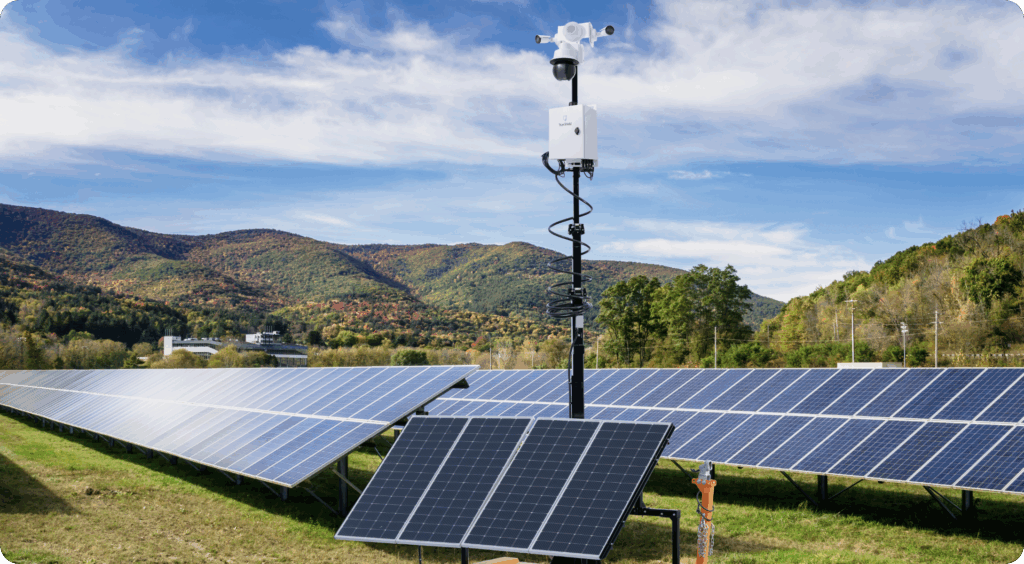
That means solar or hardwired cameras with built-in 4G LTE (no jobsite Wi-Fi required), live remote viewing from any device, intelligent security with AI-driven motion classification and audiovisual deterrents, and optional professional Jobsite Monitoring for after-hours coverage all scoped to the months a site is under construction.
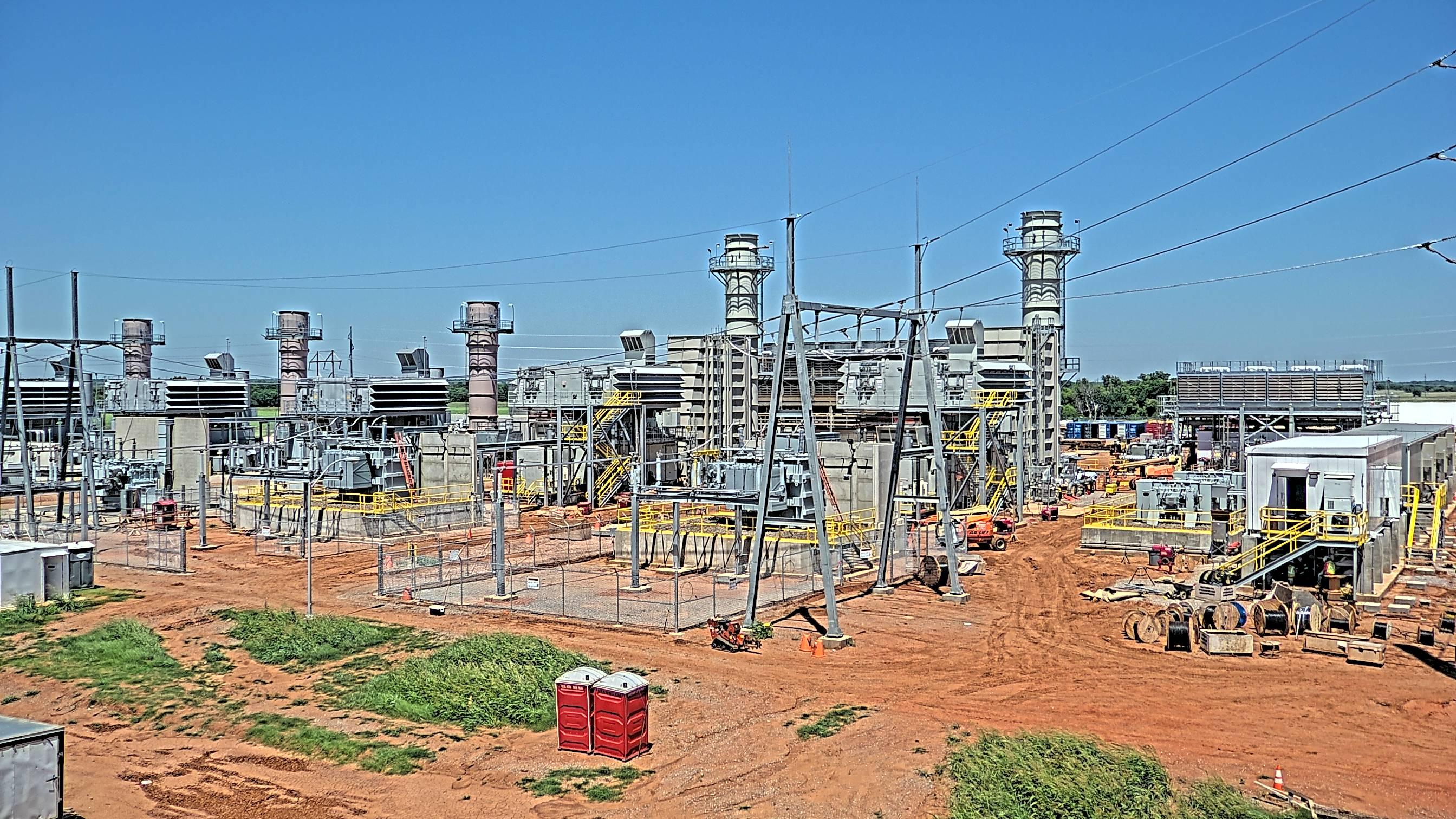
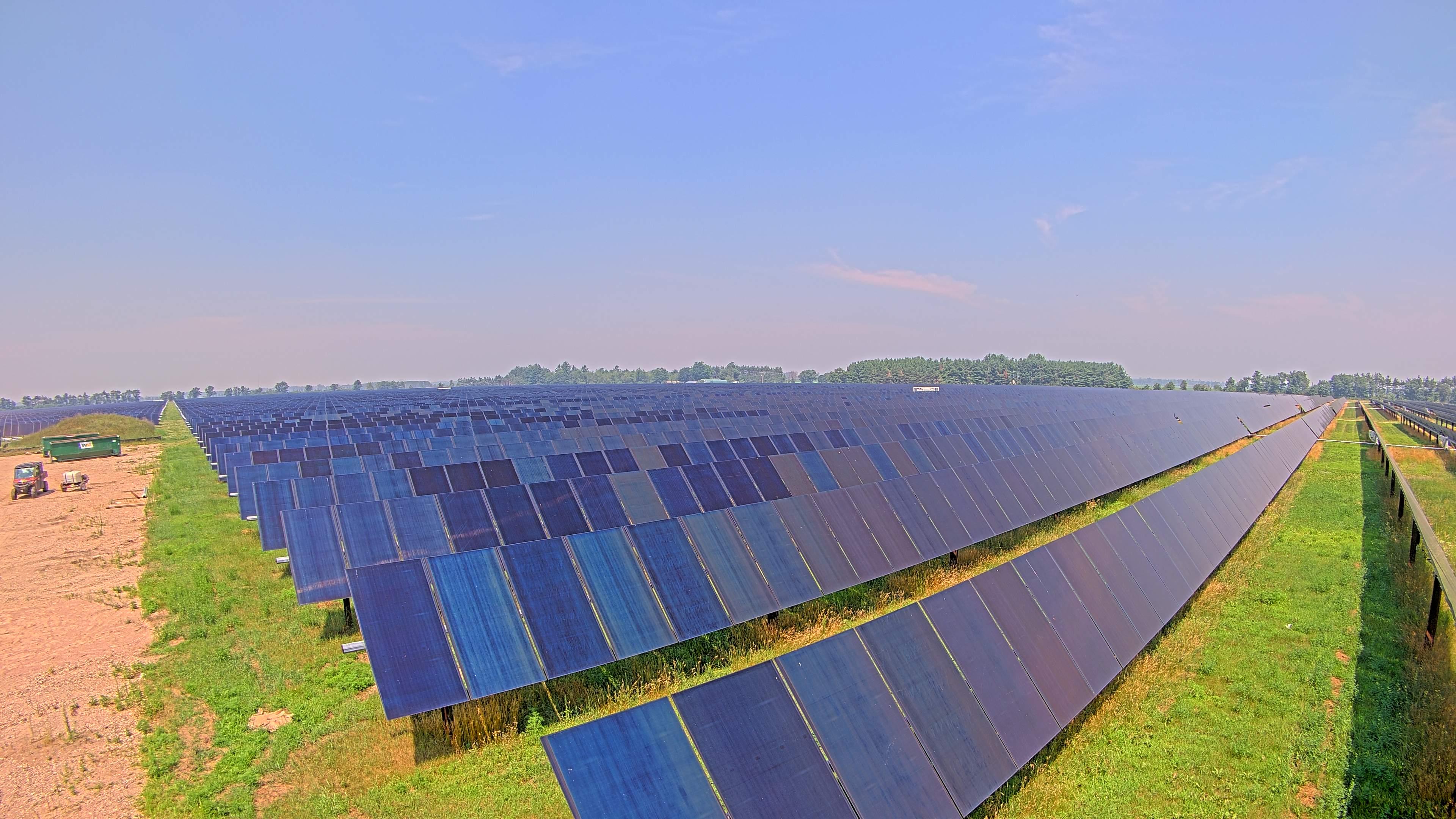
For energy and utility projects specifically, TrueShield combines those tools into a single deployment built for substations, solar arrays, and transmission builds during construction and commissioning.
Explore Critical Infrastructure Security by Sector
Every mission-critical sector has its own version of this problem — different scale, different regulatory pressure, different failure modes. These guides go deeper on each one:
For a construction project, critical infrastructure security means protecting a substation, treatment plant, or energy site during the months it’s an active job site — access control, live monitoring, and documentation for a site that doesn’t have permanent fencing, power, or staff yet. (Once the asset is finished and operational, security shifts to the utility’s or operator’s own systems — SCADA, grid hardening, and similar permanent measures.)
What counts as mission-critical infrastructure?
Mission-critical infrastructure refers to the assets a community or region can’t function without the power grid, water and wastewater systems, and major energy generation and transmission sites. These get prioritized for the highest level of security investment because the consequences of an outage or breach extend well beyond the site itself.
What does critical infrastructure monitoring mean on a construction site?
On an active build, monitoring means live remote viewing, 24/7 recorded coverage, and — for higher-risk sites — a professional monitoring service that actively watches feeds and responds in real time. It’s a documentation and accountability function, distinct from the SCADA and telemetry systems used to monitor an operating utility asset.
Why is the construction phase of critical infrastructure projects riskier than the operational phase?
A finished substation or treatment plant has permanent fencing, hardened security systems, and staff on-site. During construction, that infrastructure doesn’t exist yet. Sites often run on temporary power, minimal fencing, and rotating crews for 12 to 36 months (or more), which is exactly when high-value equipment like copper and switchgear is most exposed.
Does TrueLook work on remote or off-grid critical infrastructure sites?
Yes. Solar-powered and mobile camera trailer options with built-in 4G LTE are built specifically for sites without permanent power or jobsite Wi-Fi, which covers most substation, solar farm, and remote utility construction projects.
Critical Infrastructure Security Takeaways
Critical infrastructure gets built to last decades. The construction window is measured in months. That mismatch of permanent-scale risk during a temporary-scale security setup is the part that gets overlooked until something goes missing.
That’s the piece worth planning for before the fence even goes up.
Ready to talk through what full-site visibility looks like on your next critical infrastructure project? Get a quote →
Scott Dowd is a Solutions Engineer at TrueLook, where he has spent more than eight years helping construction teams design and deploy jobsite camera systems tailored to their specific operational needs. Scott specializes in translating complex project requirements into practical camera solutions — from site assessments and system design to full implementation. He has worked with commercial contractors, infrastructure teams, and enterprise project managers across the U.S., helping them leverage jobsite visibility technology to improve site security, remote monitoring, and project accountability. Scott holds a Bachelor of Business Administration (BBA) and brings a consultative, partnership-driven approach to every client engagement. Outside of work, he enjoys golfing, bowling, camping, live music, and time with his family. Having been part of TrueLook for so long, Scott often jokes that he bleeds green—though thankfully, it hasn’t been medically confirmed!)