
If you’re considering buying construction cameras, you may have come across the term “NDAA compliant” and wondered what it means for you. NDAA compliance is more than just a technicality—it’s an important aspect of selecting security solutions that will keep your construction projects safe and compliant with federal regulations.
What is an NDAA-Compliant Camera?
NDAA stands for the National Defense Authorization Act, a law passed by the U.S. Congress each year to manage military funding and establish defense policies. Among its many provisions, the NDAA restricts the use of certain technology products that could pose national security risks. Specifically, it prohibits the use of cameras and other tech from certain manufacturers.
When a camera is labeled as “NDAA compliant,” it means that it meets these requirements and does not include components or software from banned manufacturers, ensuring it’s safe from known cybersecurity threats. This is crucial for anyone concerned with data privacy and network security, as cameras that aren’t compliant can be susceptible to hacking or even contain embedded malicious code.
Why Does NDAA Compliance Matter for Your Project?
NDAA compliance isn’t just a federal issue—it has implications that extend to private contractors, including those working on construction projects. Federal agencies are banned from using products from specific manufacturers, and they also cannot work with contractors that use banned equipment. This means that if your construction cameras aren’t NDAA compliant, you could be barred from participating in federally funded projects.
Imagine the implications: if you use a non-compliant camera, your project could face serious delays, fines, or even the loss of valuable federal contracts.
Which Camera Brands Are NDAA Compliant?
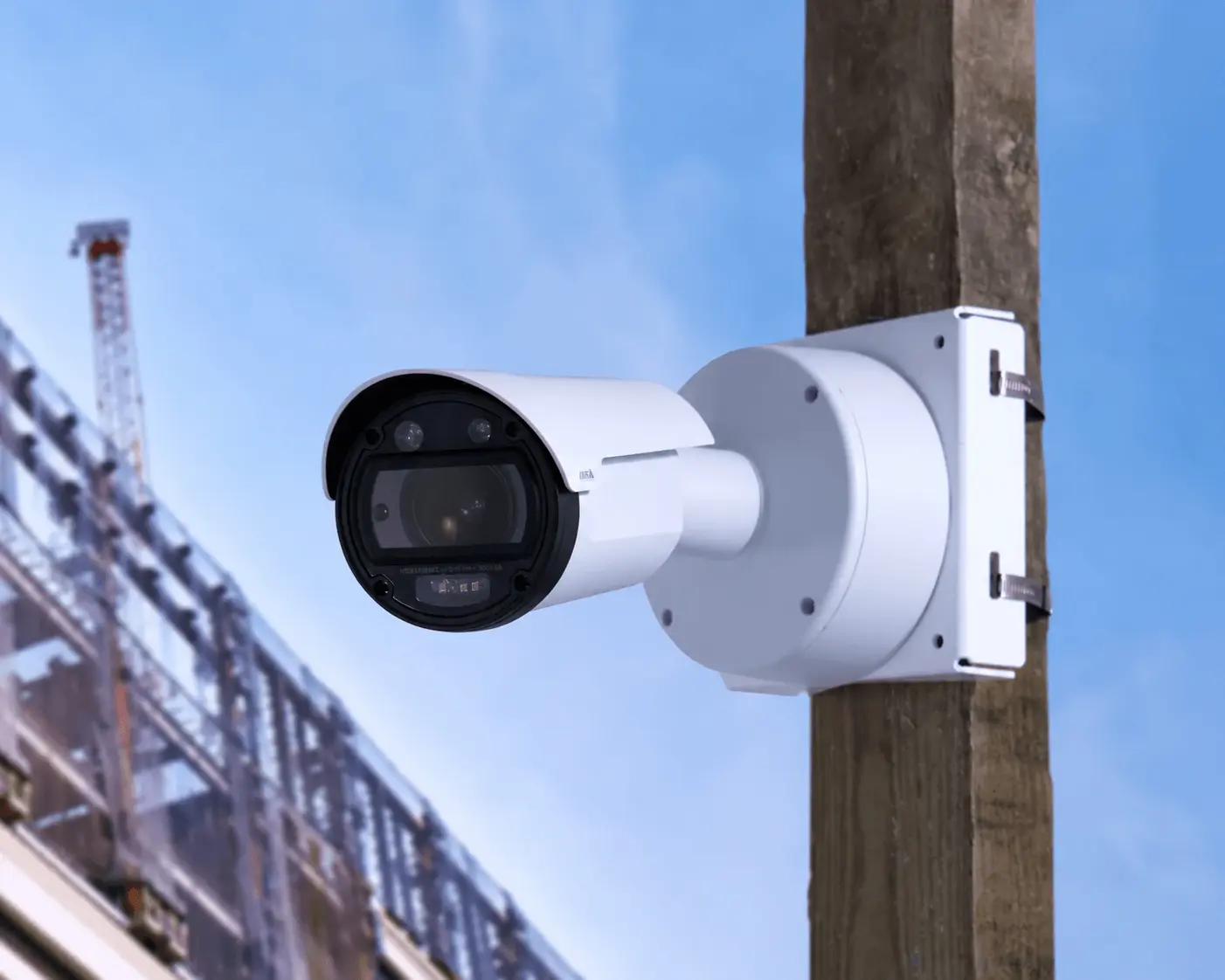
The good news is that TrueLook uses only NDAA-compliant cameras. Our cameras come from trusted manufacturers like Axis and Hanwha—both of which meet NDAA standards. In the past, we have also used Bosch cameras, which are NDAA-compliant as well. By choosing TrueLook, you’re choosing a secure, NDAA-compliant solution that ensures your project stays safe and avoids any legal risks tied to non-compliance.
To help you navigate this complex landscape, here’s a quick list of trusted, NDAA-compliant camera manufacturers:
- Axis
- Hanwha
- ACTi
- Avigilon
- BCD International
- Commend
- Digital Watchdog
- FLIR
- iryx
- Mobotix
- Pelco
- Seek Thermal
- Solink
- Speco
- Vivotek
- WatchGuard
- 360 Vision Technology
Making the Right Choice for Your Project
Selecting NDAA-compliant construction cameras is an investment in the safety, security, and success of your projects. When you choose a compliant solution, you’re not only keeping your jobsite secure but also ensuring that your business is eligible for federal projects and safe from potential cybersecurity threats.
With TrueLook’s NDAA-compliant construction cameras, you can feel confident knowing your security solution is reliable and free from hidden risks. Don’t leave your business vulnerable to compliance issues—choose security that aligns with your project’s needs and the demands of federal standards.